📈 New US Furniture Tariffs: What It Means for Global Trade, Prices & Consumers in 2026
The US has implemented higher tariffs on imported furniture and wood products, reshaping global supply chains, raising prices, and signaling new directions in trade policy heading into 2026.
WORLD NEWS
1/1/20263 min read
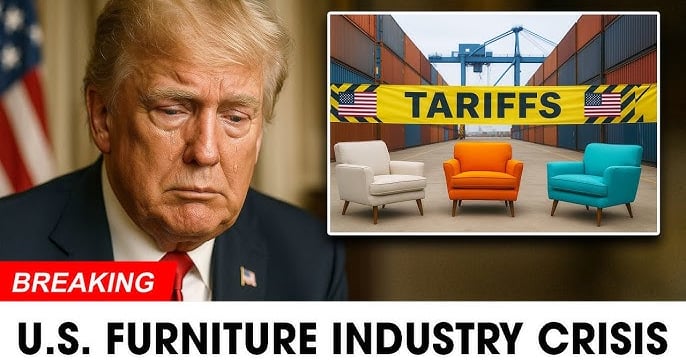
On January 1, 2026, higher tariffs on a range of imported furniture products took effect in the United States as part of a broader protectionist trade policy that has been rolling out since 2025. These increased duties — aimed at bolstering domestic manufacturing and reducing reliance on foreign supplies — are expected to send ripple effects through global supply chains, impacting exporters, retailers, and buyers alike. Khaleej Times
🪑 What Has Changed: Tariff Rates and Coverage
Under the revised tariff regime:
The duty on certain upholstered furniture imported into the US rose from earlier levels to 30%. Khaleej Times
Kitchen cabinets and bathroom vanities have had their applicable tariff doubled to 50% for qualifying imports. Khaleej Times
Earlier measures also introduced a 10% duty on softwood timber and lumber — a key raw material for many furniture products. Khaleej Times
These increased duties are part of a mix of sector-specific levies introduced by the current US administration, which has already levied tariffs across various imports including steel, autos, and other manufactured goods. Khaleej Times
However, the most recent update has pushed the planned tariff hike back by a full year, meaning the higher tariff rates originally slated for January 1, 2026 are now delayed until January 1, 2027, following a presidential proclamation aimed at easing rising consumer price pressures and ongoing trade partner negotiations. mint
🪵 Why the US Is Doubling Down on Tariffs
The US government has emphasised two main goals behind these tariff hikes:
🛡️ 1. Protect Domestic Manufacturing
Policymakers argue that higher import duties will support US furniture and wood product industries by reducing competition from lower-cost foreign imports — particularly from countries like China and Vietnam, which have long been key suppliers to the US furniture market. Khaleej Times
By raising the cost of imported products, the aim is to encourage production and investment on US soil — preserving jobs and reinvigorating regional manufacturing hubs. Supporters also link timber and wood product tariffs to national security considerations, claiming a robust domestic wood industry is crucial for infrastructure and defence supply chains. Khaleej Times
📊 2. Address Trade Imbalances
The US has maintained large trade deficits with major exporting countries for years. Increasing tariffs on categories like furniture is designed to discourage imports and reduce that imbalance, while prompting foreign suppliers to negotiate trade terms or shift production closer to US markets. Khaleej Times
🌍 Global Impact: Exporters and Supply Chains Adjust
📦 1. Exporters Face Pressure
Countries that export a significant portion of furniture to the US — especially China, Vietnam, Malaysia, and India — may see demand weaken as import costs rise. Higher tariffs effectively increase the landed price of goods, squeezing exporters’ margins and pushing many businesses to rethink where and how they sell their products. Khaleej Times
Some exporters might diversify, expanding into markets with lower or zero tariffs such as Europe or Southeast Asia, while others explore relocating manufacturing closer to key destinations to avoid tariff burdens. This trend — seen already in industries like electronics and automotive — signals a larger shift in global trade patterns. HOREGENER
🚢 2. Supply Chain Reconfiguration
Tariffs often prompt companies to reorganise their supply chains, either by sourcing from countries with favourable trade agreements or by moving assembly facilities to countries closer to the target market. This benefits nations that can offer tariff exemptions or reduced duties through free trade agreements. Khaleej Times
For smaller importers without scale advantages, absorbing tariff costs can be especially damaging, leading some to scale back operations or exit certain markets altogether. HOREGENER
📈 What Consumers Can Expect
While the latest tariff increases have been postponed until 2027, the threat of higher duties remains real, and retailers may adjust pricing in anticipation of future costs. Analysts warn existing tariffs already contribute to elevated prices on imported furniture, particularly for lower-cost goods that dominate the US home furnishings market. CBS News
Lower-income consumers could feel the impact most, as affordable furniture options — often imported — become more expensive over time. Some retailers might delay stocking new imported inventory to avoid tariff hits, potentially leading to supply shortages or price volatility. CBS News
📊 Broader Economic & Trade Considerations
Tariffs don’t operate in isolation. They can influence inflation, consumer spending, and corporate investment decisions. Increased duties on imports — even when delayed — can indirectly feed into broader price pressures in the economy, depending on how widely businesses pass costs onto consumers. Khaleej Times
At the same time, ongoing negotiations with trade partners may yield new exemptions or extended delays, as policymakers balance domestic industry support with international trade relationships. The recent decision to postpone tariff hikes underscores that trade policy remains a dynamic and politically sensitive arena through 2026 and beyond. mint
🧠 Final Thoughts
The evolving US tariff landscape — especially on imported furniture and wood products — is reshaping how global trade actors, businesses, and consumers interact with the world’s largest economy. While tariff hikes promised big shifts, the latest delay highlights the tension between protectionist goals and real-world economic pressures.
As 2026 unfolds, companies, governments, and consumers alike will keep a close eye on how these policies affect prices, production strategies, and long-term trade relationships — making this one of the most impactful trade stories of the year. BusinessToday